Home / Blogs

Property in Dubai’s market has become one of the most attractive destinations in the world. It has attracted many foreign buyers, among whom freehold ownership is the main attraction, allowing buyers to fully own a property and the land beneath it in one of the Middle East’s most dynamic cities. Suppose you’re exploring opportunities in Dubai real estate. It is essential to understand how freehold works, where to invest, and what to expect financially. In this article, we will cover crucial aspects.
Freehold properties in Dubai give complete control over investment. In comparison to leasehold properties, where ownership ends after a fixed period ranging from 30 to 99 years, the advantage of freehold properties is that they have no expiration date. Your name goes on the title deed at the Dubai Land Department, and you can sell, lease, or pass the property to your heirs with your consent.
This level of ownership is especially appealing to long-term investors who seek stability and flexibility in managing their property as they desire. It also makes Dubai stand out from many other global cities where foreigners face heavy restrictions on property ownership.
Dubai’s property market is tightly regulated to protect both buyers and developers. When you purchase a freehold property, the Dubai Land Department officially registers your ownership, ensuring your rights are legally protected even if you move abroad or change your visa status.
Suppose you’re buying a property under construction. In that case, it is recommended always to check that the developer is registered with the Real Estate Regulatory Agency (RERA) and that the project has been approved. It’s also wise to prepare a will in Dubai or register it with the DIFC Wills Service Centre to ensure your property transfers smoothly to your heirs. Keeping track of updates on freehold zones and visa regulations can save you from legal or financial surprises.
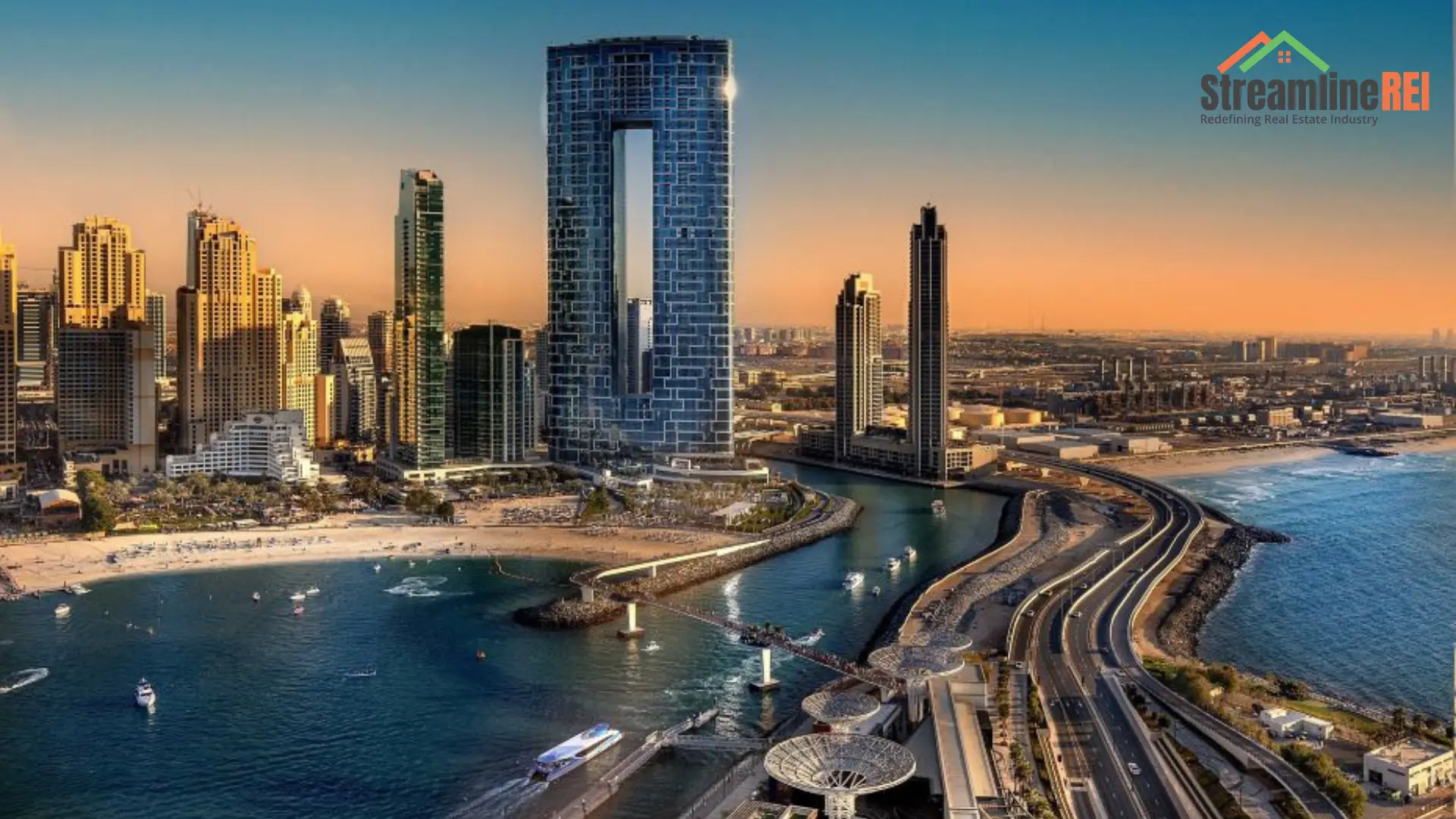
The list of areas where foreigners can own freehold property has grown at a steady pace. Originally limited to locations such as the Palm Jumeirah and Dubai Marina, the zones now include prime spots along Sheikh Zayed Road, around the Dubai Canal, and new districts like Al Jaddaf. These expansions create opportunities to invest early in rapidly developing neighborhoods.
Several communities consistently attract local and international investors for their robust performance, such as:
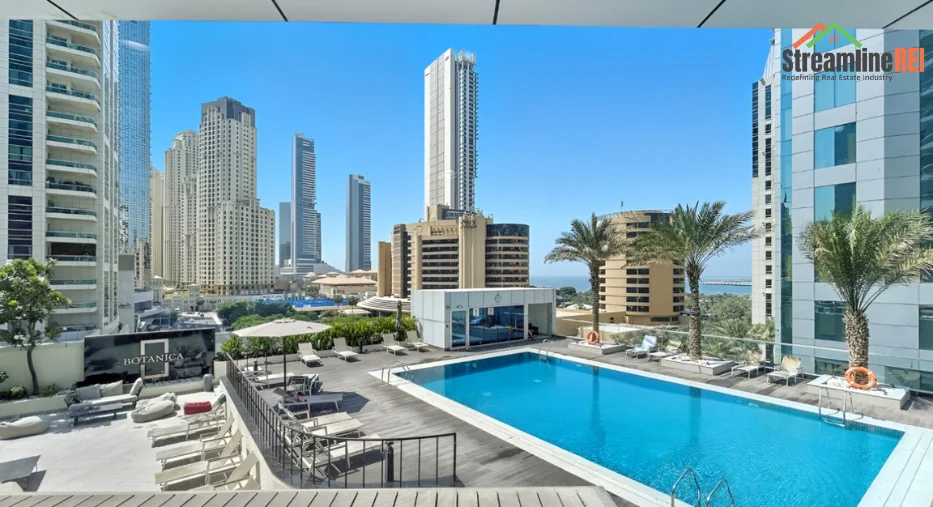
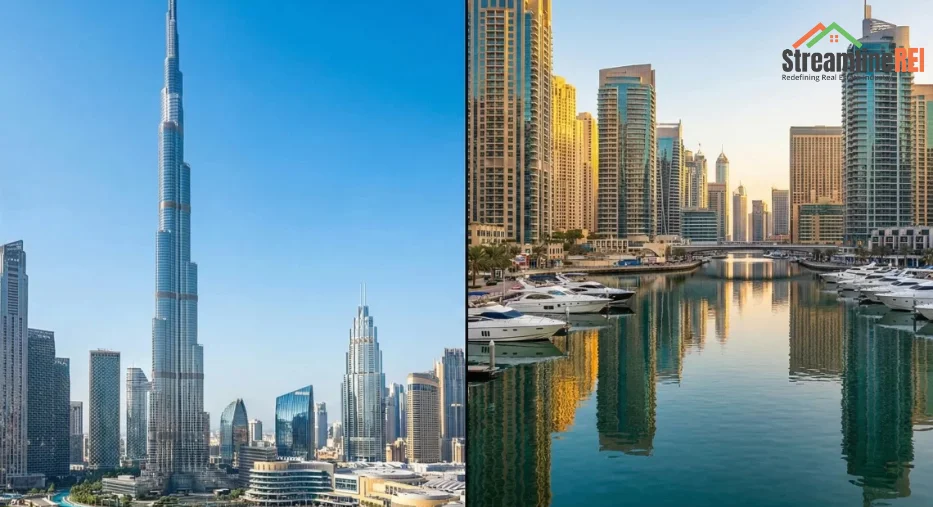
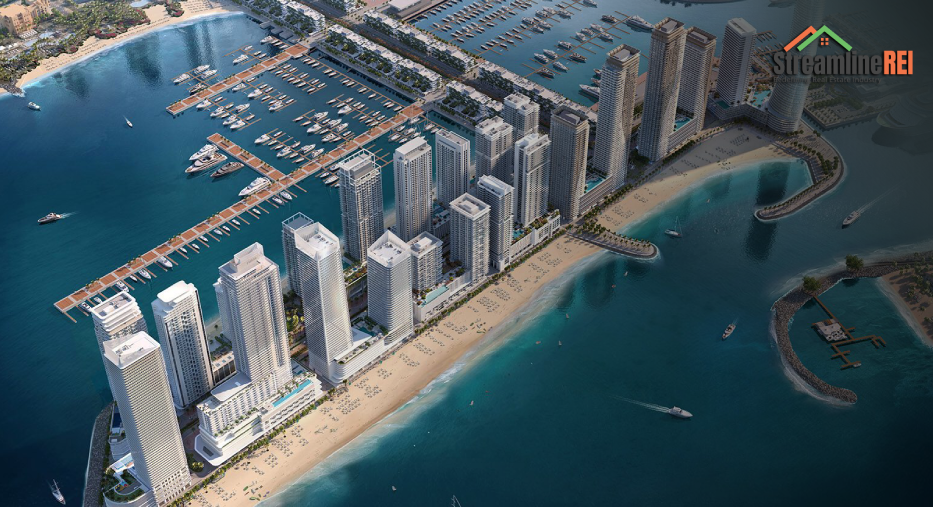
Known for its waterfront lifestyle, high-rise apartments, and vibrant nightlife, Dubai Marina maintains strong rental demand.
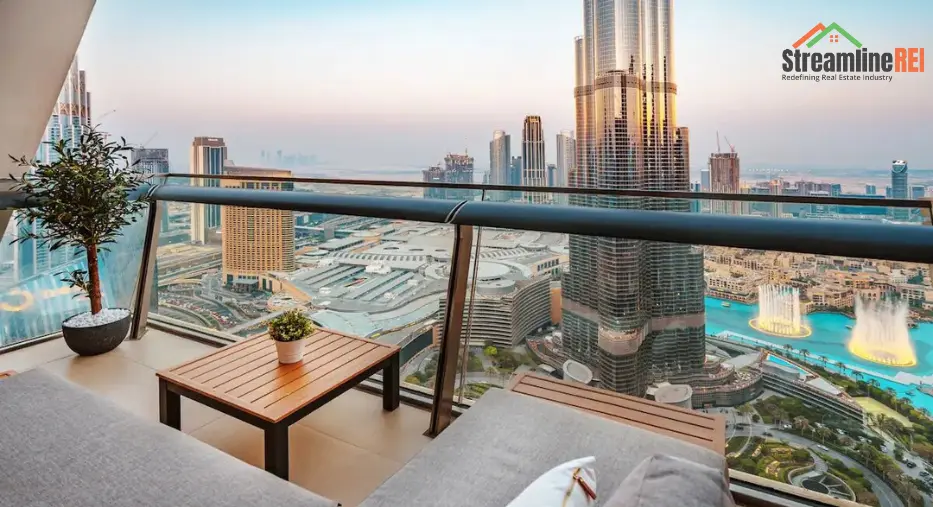
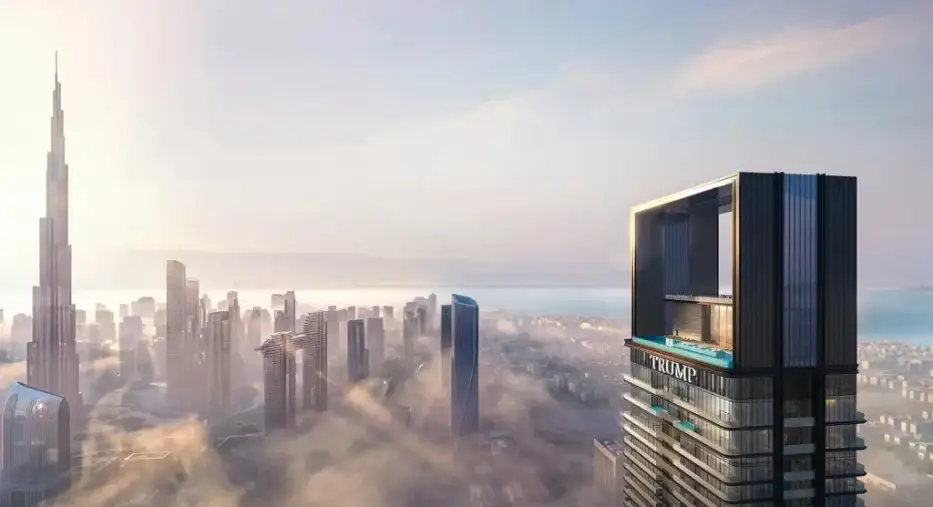
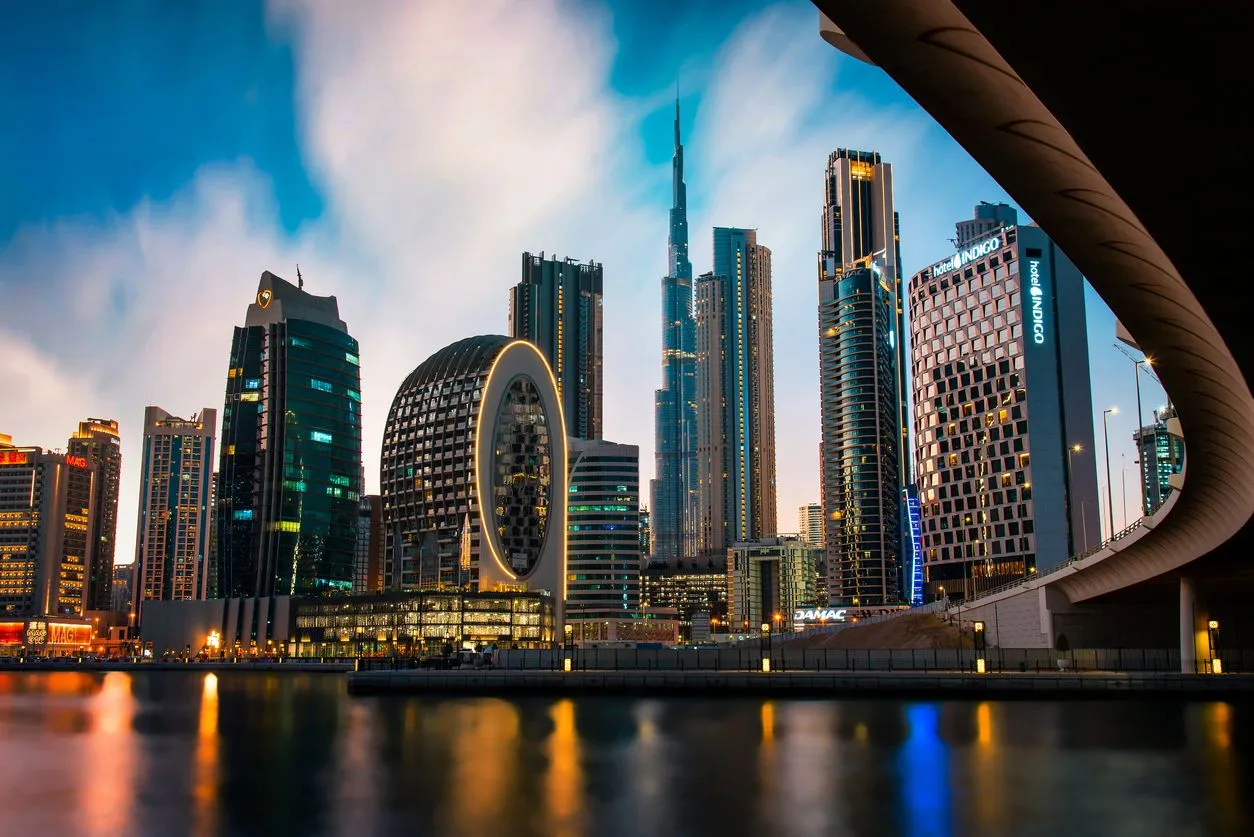
With iconic landmarks like the Burj Khalifa and Dubai Mall, this area offers prime and excellent long-term opportunities.
Filled with luxury, the Palm offers villas and apartments that command premium prices and attract wealthy tenants.
A growing residential hub with affordable pricing and good outcomes, JVC appeals to first-time investors and families.
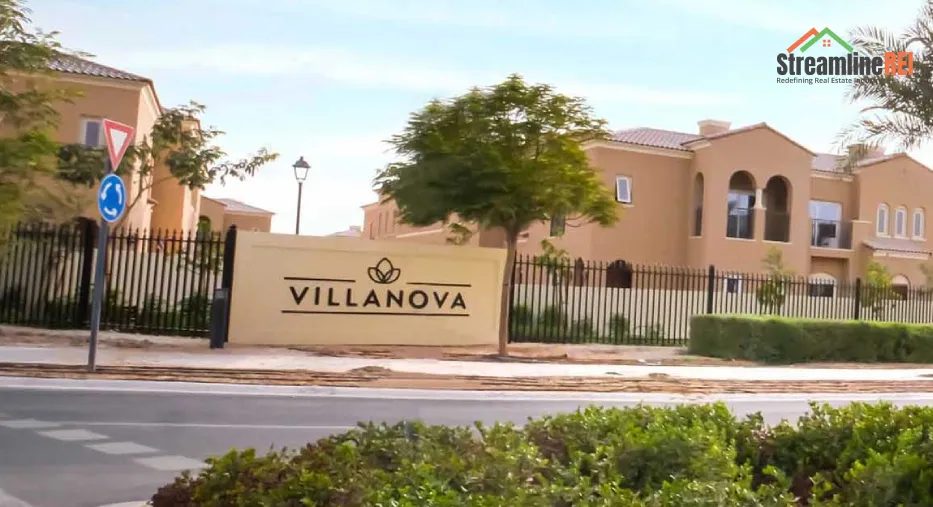
Designed for community living, this master-planned development features parks, schools, and retail, earning attention for its balanced mix of value and quality.
Emerging districts such as International City and Arjan are also becoming popular entry points for investors with smaller budgets who want to participate in Dubai’s steady growth.
To own a freehold property gives you flexibility and control that few other investments can match. You’re free to rent your unit on a long-term or short-term basis, renovate to increase its value, or hold the property for capital gains. Many investors report rental yields ranging from 6% to 10%, depending on the location and property type.
Another attractive benefit is the potential to qualify for UAE residency. In many cases, buying property above a specific value can make you eligible for a renewable investor visa, adding personal and financial convenience to your investment.
While Dubai’s market is robust, it also presents some risks. Properties in prime areas demand higher advance costs, and annual service charges for amenities can be much higher. Market fluctuations, oversupply in certain districts, or changes in global economic conditions can affect rental gains and resale values. Luxury units may take longer to sell compared to smaller apartments in high-demand communities.
To reduce risk, diversify your portfolio, stay informed about new supply pipelines, and avoid overleveraging.
As an investor, you should prepare for additional costs. The Dubai Land Department charges a transfer fee, generally about two percent of the property’s value, along with registration fees. You’ll also pay agency commissions, developer fees, and ongoing service charges for building maintenance and shared amenities.
If you’re financing your purchase through a mortgage, consider the associated interest rates and eligibility requirements for non-residents. And if part of your strategy includes securing a UAE visa, you can expect application and renewal costs as well.
Location remains the most critical factor for long-term success. Select areas with strong infrastructure, reliable transportation links, and established rental demand. Collaborate with developers who have a proven track record of completing projects on schedule and delivering high-quality results. Keep an eye on government initiatives, such as new transportation lines or tourism projects, that can boost property values in specific areas.
Smaller units, such as one- and two-bedroom apartments, generally attract a wider range of tenants, making them easier to rent. Maintain a financial cushion for unexpected expenses, such as maintenance or vacancy periods. Staying informed about legal updates, visa changes, and market reports will help you adjust your strategy before problems arise.
Dubai’s real estate market has shown resilience, with competitive rental gains and ongoing government investments in infrastructure. Expanding freehold zones and investor-friendly visa policies create a favorable environment. While global economic trends can affect timing, careful research and early entry into developing areas can unlock significant long-term rewards.
Freehold property in Dubai offers something rare: complete ownership in a city that continues to grow as a global hub for business and lifestyle. With strong legal protections, diverse freehold zones, and attractive rental rates, the market remains a compelling choice for investors worldwide. By understanding the rules, budgeting for all costs, and choosing locations with lasting appeal, you can build a profitable and sustainable portfolio in one of the world’s most exciting real estate markets.
The Dubai government is strengthening its laws for property, but it is recommended that you stay updated with global economic trends and carefully research the market before making a decision.
To maximize your gains on your investment, it is essential to choose an area wisely, one that has good transport links and higher rental demand. Also, keep an eye on government initiatives regarding development.
There are a few restricted areas in Dubai where foreigners are not permitted to purchase freehold properties; however, Dubai’s diverse market offers numerous options for buying freehold properties.
Dubai offers many good investment options, but on the other hand, there are a few risks involved, such as market volatility, high costs, oversupply, and some strict inheritance laws.





















© 2025 CrecenTech Systems. All Rights Reserved
.png)
.png)
.png)
.png)