Home / Blogs
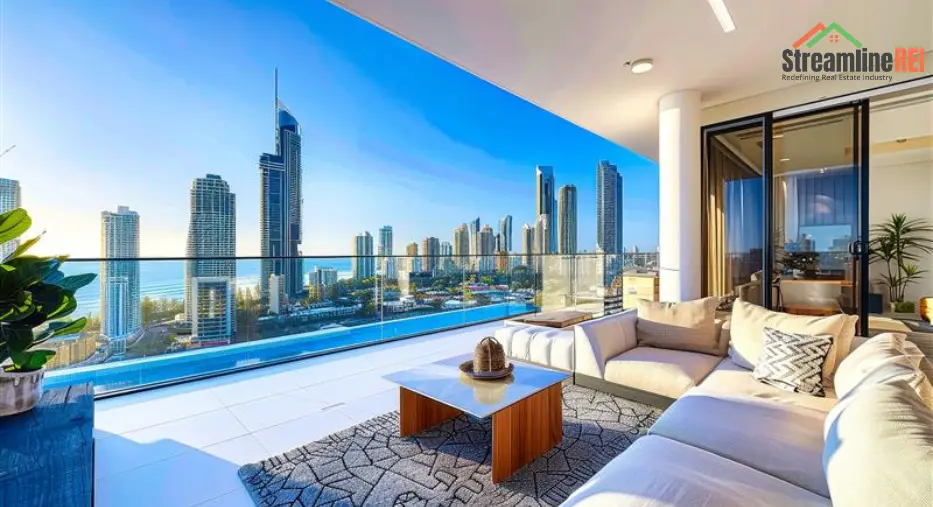
Offering holiday home accommodation in Dubai gives a chance to explore one of the short-term rental markets with the fast-growing rates worldwide. Being a popular destination for a considerable number of tourists throughout the year and having a high demand for short-term accommodation, Dubai can be a very appealing marketplace for Airbnb hosts. However, success depends on effective planning and regulatory compliance.
As recent statistics reveal, the short-term rental market in Dubai is expanding at a rapid pace. There are tens of thousands of active postings, with occupancy levels frequently registered at 70-72% and the average daily rate breaking the AED 600 barrier. It makes the holiday rentals highly lucrative in the prime areas of Dubai Marina, Downtown, and Palm Jumeirah.
This Dubai holiday home host checklist will walk you through every step, from the legal requirements to readiness for the guests and will empower you to set up a professional and legal holiday rental property with confidence.
We begin this checklist topic with an introduction to why Dubai is so exceptional:
Despite the increased demand, it is a fantastic opportunity to become a host, but only if you plan carefully.
In this section, we will unravel the various aspects required for successfully maintaining a holiday home.
Dubai is known for having an extensive set of regulations when it comes to holiday homes for the purpose of ensuring that the accommodation meets the required criteria and adhere to local laws and regulations. This is what you should know:
Before listing the property, you need to register it with the Dubai Department of Economy & Tourism (DET) as a Holiday Home.
DET requires:
If non-compliance occurs, fines or suspension of permits may result.
The Tourism Dirham is a fee which hosts are obliged to charge per night for every bedroom (AED 10-15). It is to be paid to the government.
Register guest arrival in the DET system and maintain a copy of their passport ID within required reporting times.
To realize these expectations and meet regulatory demands, your property must be guest ready.
Your holiday home should be fully equipped, with the following articles in stock.
Such improvements enable you to qualify for better levels of classification and price.
Safety is not optional. You must use smoke detectors in all bedrooms, fire extinguishers and blankets, and well-marked emergency exits.
These are not merely good practices but are also necessities under the regulations in Dubai.
You need to install keyless entry systems or smart locks to comply with local access and security requirements.
Even if you have a DET license, you must also review and follow your building bylaws regarding short-term rental. Moreover, you should inform neighbors of hosting activity if mandated by the HOA.
Remember, some communities have restrictions on holiday homes despite DET being approved, so always check.
Your hosting success also depends on how you present your property online.
Invest in high-quality photos that highlight space, light, and amenities.
When you create listings, you should write clear descriptions to outline the unique features and instructions related to the house.
Use dynamic pricing tools to ensure you are at an optimal revenue level during high-demand seasons. Keep your competitive nightly rate with Airbnb and professional tools’ help.
To gain maximum guest satisfaction, you must ensure seamless communication and maintain high quality service standards.
Sometimes, 24/7 guest support is mandatory based on hosting regulations in Dubai.
Guests require spotless properties, and that’s why you must always clean and maintain your property to enhance its outlook.
Keeping property clean is necessary for getting helpful reviews and increasing occupancy rates.
Protect your investment through property damage insurance, liability coverage, and guest injury protection insurance.
This is not only intelligent, but in a heavily trafficked hospitality market; this is essential.

Let’s discuss some data-driven findings that might be helpful.
StreamlineUAE has an expert team that manages licensing, operations, pricing, and compliance management aspects while enabling you to focus on earning. Get effective guidance tailored to Dubai’s holiday home market.
Being a holiday host in Dubai can be rewarding both financially and personally; but it requires that you take all necessary measures in terms of compliance and preparation. Dubai holiday home host checklist will make sure that you’re fully equipped and ready for success.
Owing to Dubai’s thriving tourism sector, high occupancy rates, and strong short-term letting market, a properly run vacation home can make higher profits and provide an unforgettable experience for its visitors.
Yes, you need to register your vacation property with the Department of Economy & Tourism (DET) before listing.
Yes. Dubai law dictates that you must rent the full property in any given unit. You cannot list a partial or joint listing.
On average, the yearly earnings from rent can exceed AED 150,000 to 168,000; however, net earnings differ by location and season.
The Tourism Dirham amount you receive per occupied room per night and then pay DET.



























© 2025 CrecenTech Systems. All Rights Reserved
.png)
.png)
.png)
.png)