Home / Blogs

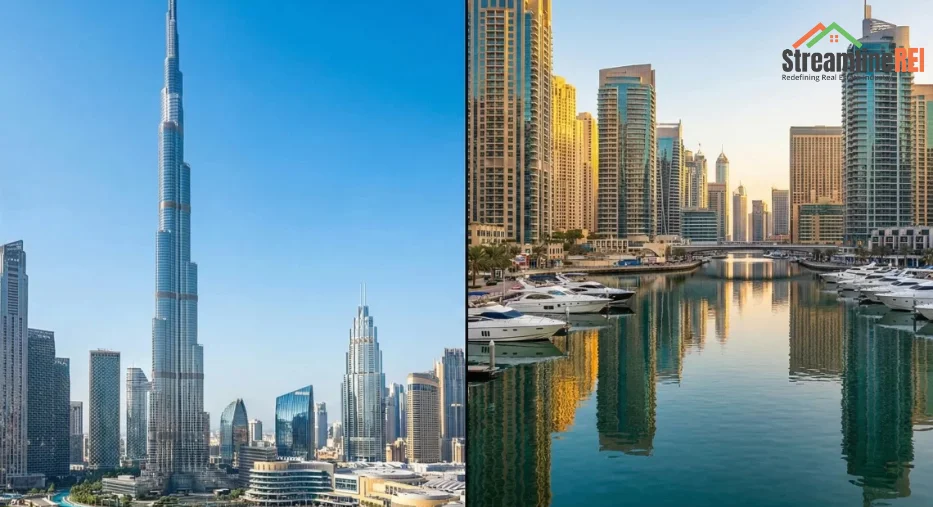
Dubai is not just a playground for the wealthy; it is arguably the most vibrant short-term rental market in the world. With millions of tourists flocking to see the Burj Khalifa or relax on the Palm Jumeirah every year, property owners are sitting on a potential goldmine.
Turning your apartment or villa into a vacation rental can generate significantly higher yields than a standard yearly lease. But here is the catch: Dubai is strictly regulated. You cannot simply list your spare bedroom on Airbnb and hope for the best. To operate legally, avoid hefty fines, and welcome guests; you need a Dubai holiday home license.
Navigating the Department of Economy and Tourism (DET) requirements can feel like a maze if you do not know where to start. Whether you are an investor with a portfolio of apartments or a homeowner looking to rent out your property while you travel, this guide breaks down exactly how to get licensed.
In the past, the lines were a bit blurry. Today, the rules are crystal clear. The Dubai government (specifically the Department of Tourism and Commerce Marketing, or DTCM) regulates the market to ensure quality and safety for tourists.
If you list a property on Airbnb, Booking.com, or VRBO without a valid permit number, you are breaking the law. The penalties are severe, often starting at AED 5,000 and climbing significantly higher for repeat offenses. A license legitimizes your business, allows you to legally advertise, and protects you in case of disputes with guests.
Before you start filling out forms, you need to decide who is applying.
For the sake of this guide, we will focus on the requirements for individual owners, but we will touch on why many choose the professional route later.
You cannot get a license for just any space. The DET has specific standards to maintain Dubai’s reputation for luxury and comfort. Before you log into the portal, ensure you have the following Airbnb license Dubai requirements checked off:
Once your paperwork is in order, the process is digital. Here is the workflow:
Go to the official DET Holiday Homes website. You will need to create an account. If you are an individual owner, sign up as a “Homeowner.” You will need to upload your passport copy and Emirates ID (if you are a resident).
Once your account is approved, you can “Add a Unit.” This is where you enter the details of the property—location, building name, unit number, and size.
This is the critical part. You will be asked to upload:
The Title Deed (or tenancy contract + NOC if subletting).
There is not a single flat fee; the cost depends on the size of your property (number of bedrooms). Generally, you will pay a permit issuance fee (usually valid for one year) and a classification fee. As of the latest regulations, expect to pay roughly AED 1,500 to AED 2,000 total for a standard one-bedroom apartment, though these government fees are subject to change.
Step 5: Receive Your Certificate
Once the payment goes through and the documents are verified, the DET will issue your electronic license. This document contains your Permit Number.
Crucial Note: You must display this permit number on every listing you create (Airbnb, Booking.com, etc.). If a listing lacks this number, the platform may ban you, and the Dubai authorities can fine you.
Getting the license is only the start. As a licensed operator, you are effectively a hotelier. This means you must collect the “Tourism Dirham” fee from your guests.
This is a small nightly tax (usually between AED 10 and AED 15 per bedroom, per night, depending on classification). You collect this from the guest and must remit it to the DET monthly via their portal. Failing to pay this tax is a common way new hosts get into trouble.
The DET does not just hand out licenses and walk away. They conduct inspections. Your property must meet specific furnishing standards. This includes:
If a guest complains or an inspector visit and finds the property lacking, your license can be revoked.
For many, the answer is a resounding yes. Short-term rentals in areas like Downtown Dubai, Dubai Marina, or JBR can yield 20% to 30% more income than a yearly rental. However, the operational workload, like cleaning, guest communication, collecting taxes, and maintaining the license, is heavy.
This brings us to the alternative: letting the experts handle it.
Does the process of applying for permits, managing Tourism Dirham fees, and handling 2 a.m. guest check-ins sound exhausting? It does not have to be. StreamlineREI takes the stress out of short-term rentals. We are a premier holiday home management company in Dubai that handles the entire licensing process for you. From furnishing your unit to 5-star standards to managing daily operations and maximizing your occupancy rates, we ensure your investment works for you, not the other way around.
Getting a Dubai holiday home license opens doors to one of the Middle East’s best real estate plays. The rules are tough, but they’re designed to safeguard your investment and keep Dubai world-class. Follow the steps, confirm you’re eligible, get your papers ready, and stay on top of those monthly fees—you’ll be set. Go solo or team up with a management company, but always keep things transparent and legal. Do it properly, and your property will handle the rest.
You can apply if you are a homeowner or a tenant. If you own the property, you can register it yourself. If you are renting, you must get a No Objection Certificate (NOC) from your landlord that explicitly says you have permission to sublet the place as a short-term rental.
Expect to pay around AED 1,520 for the initial registration and roughly AED 320 for the inspection fee. There is also an annual permit fee for each property, which starts at AED 370 for a one-bedroom apartment and goes up to AED 1,200+ for large villas.
No, you cannot. It is illegal to list a property on Airbnb, Booking.com, or Vrbo without a permit from Dubai Tourism (DET). In fact, these platforms won’t even let you publish your listing until you enter a valid permit number.
It is actually very quick because the whole system is online. Once you upload your documents and pay the fees on the Holiday Homes portal, you usually get your license approved within 1 to 3 business days.
This is a small nightly tax that the guest pays, not the host. It costs between AED 10 and AED 15 per bedroom, per night. Your job is simply to collect this money from the guest and send it to the DET once a month.

























© 2025 CrecenTech Systems. All Rights Reserved
.png)
.png)
.png)
.png)