Home / Blogs

You come across a property that looks just like the one you have been dreaming about while walking through Dubai’s famous areas, like places around Palm Jumeirah or Sheikh Zayed Road. However, there is no obvious way to contact them, no signage, and no indication of who’s behind it. You would continue to walk.
If your real estate company isn’t showing up online in the right way, that’s exactly how prospective investors or buyers feel. You might be losing out on the very people who are looking for what you have to offer if you don’t have an optimized real estate website.
We are all aware of the immense boom and growth of the real estate sector in the UAE. But ever wonder what the driving force is? Behind every successful real estate project, there is a big, highly ranked online platform that is improving its brand presence and visibility across different channels. Everyone from developers to real estate agencies is fighting for online attention. The traditional way of relying on property portals and billboards isn’t sufficient anymore.
However, building an online brand and attracting investors, buyers, and sellers is a challenging task considering the increasing competition. You need a winning strategy to make your website visible among your target audience.
Does that sound familiar? You need to rethink your marketing strategies and optimize your website for better performance.
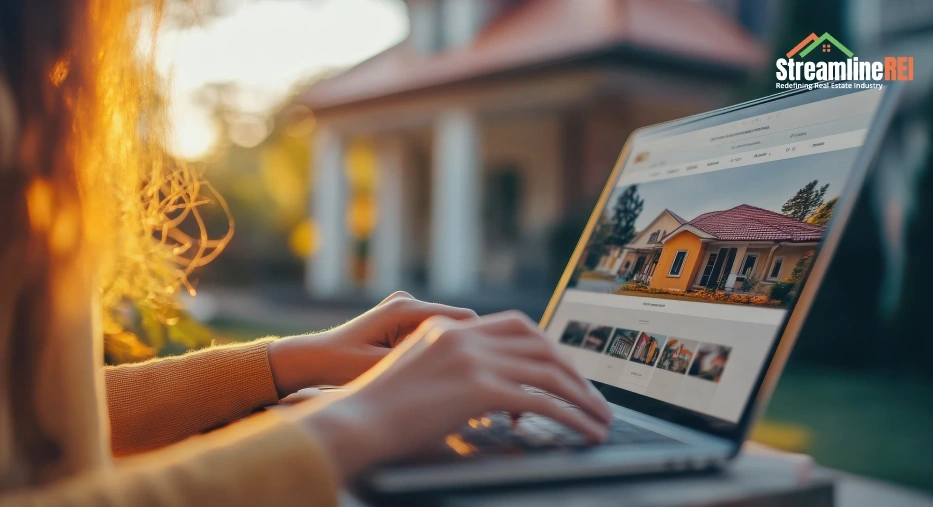
At least, we can agree on the fact that success can’t come overnight. You must put in your efforts, show consistency, and wait for things to work for you. That’s how real estate website optimization works for your business. It slowly clears issues from your website, makes it relevant and consistent, and then shows up in search results.
There is more to an optimized website than just making it look good. It works behind the scenes, day, or night, to increase your reach, improve your search engine ranking, and turn visitors into qualified leads.
Here’s how:
Your website must load in less than three seconds and display flawlessly on all screen sizes in the UAE, where most searches are conducted on mobile devices. A sluggish or poorly designed website? That’s a quick farewell.
The new property directories are search engines. Including targeted keywords in your blogs, meta tags, and content, such as “luxury apartments in Dubai” or “off-plan projects in the UAE.” These keywords help Google understand what you have to offer and increase the chances that it will find you.
Creating local guides, investment advice, and market updates specifically for the UAE audience builds trust and brand credibility. You stand out as the authority when you write a blog post explaining “Now is the Best Time to Buy in Abu Dhabi” or “Best ROI Areas for Rental Yields in Dubai.”
It should never be necessary for users to search for listings, contact details, or booking forms. Clearly marked menus, property filters, and well-placed buttons such as “Request Brochure” and “Schedule a Viewing” help visitors act.
Are you curious about which listings get the most interest? Or where visitors are dropped off? You can adjust and scale what works with real-time data from an optimized website in the UAE.
Getting found on search engines is the first step if you want your real estate company to stand out in the competitive UAE market. Being visible when prospective customers search for phrases like “luxury properties in Dubai” or “best investment properties in UAE” is now more important than just having a website.
So, how do you really capture attention?
The key is to be consistent in your approach. A well-optimized real estate website is always working for you; it doesn’t just sit there. Quality backlinks, efficient website performance, fresh and relevant content, and powerful SEO are all necessary.
Make sure your real estate website is based on location-specific, targeted keywords your prospective investors or buyers are using. Your next step is to ensure that you consistently provide valuable, new content, such as virtual tours, local guides, or updates on the real estate market.
Additionally, mobile responsiveness and a site that loads quickly are essential. You must offer a seamless experience across all devices in a market like the United Arab Emirates, where many users access the web through their phones. Additionally, keep in mind that the more credible websites that link to your content, the more search engines will trust you.
Your real estate website will appear and rank higher on search engine results pages (SERPs) once all these components are in place. And after you’ve reached Page 1? At that point, the leads start coming in, the inquiries start piling up, and your portfolio expands more quickly than you ever imagined.
Are you prepared to invest in your online presence? This is your plan of action:
Your website should be a strength in a market as competitive and fast-paced as the UAE. Your optimized real estate website is the backbone of your business, regardless of whether you are a developer, investor, or real estate agency owner. It’s a tool that helps you expand your business, attract the right customers, and close more deals than just a place to display your listings.
Therefore, don’t accept a website that is simply good enough. Create one that benefits you, one that works, attracts attention, and converts visitors into customers.
An optimized website boosts your visibility on search engines, attracts more visitors, and helps convert them into clients.
Use location-specific keywords, fast loading times, mobile responsiveness, easy navigation, and valuable content like market insights.
Focus on SEO by using location-based keywords, updating content regularly, ensuring your website is mobile-friendly, and optimizing page speed. Build backlinks from reputable sites to increase your website’s authority.
An effective website should be easy to navigate, fast, mobile-friendly, and have high-quality property listings. It should also include valuable content, such as blogs or virtual tours, and have clear calls to action that make it easy for users to contact you.
Use Google Analytics to monitor traffic, conversion rates, and user behavior on your site. This data helps you understand what works and where improvements are needed.





























© 2025 CrecenTech Systems. All Rights Reserved
.png)
.png)
.png)
.png)