Home / Blogs

Dubai’s Green Line Metro stations might be your calling if you want to explore more about the city and what’s hidden beyond its high-rise buildings. Green Line Metro is a practical and affordable way to travel, no matter if you’re a visitor planning to experience some authentic culture or a local looking for more places in the city. However, traveling metro lines and navigating Dubai public transportation can be confusing if you’re not used to the city.
One of the two primary lines in the Dubai Metro system is the Dubai Green Line Metro; the other is the Red Line. It covers about 22.5 kms of the city and was inaugurated in 2011. It passes through 20 green line metro stations, starting at Etisalat Station in the northeast and ending at Creek Station in the south. It also connects with the Red Line at Union and Burjuman stations.
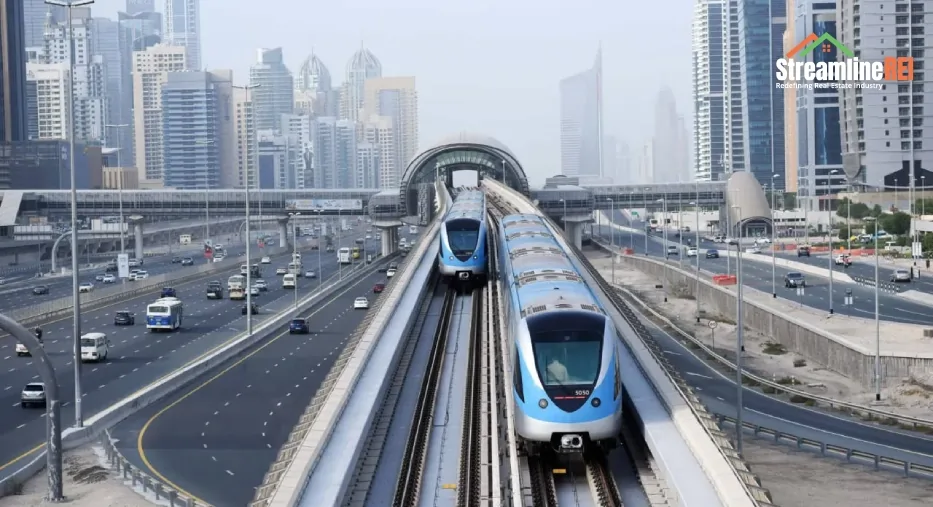
Get to know some of the Green Line metro stations to find local favorites and hidden spots in the city.
Etisalat is located in a residential area of Al Qusais. The neighborhood is home to many Emirati families, having several local markets and cafes away from the crowded areas.
This is one of the biggest underground metro stations in the world. To be more precise, it serves as a gateway to business and traditional districts of Dubai apart from being a busy interchange that connects the Green and Red Lines. You can walk from Union Station to the traditional markets, spice souks, and restaurants where the locals often meet.
This is one of the most well-designed Green Line Metro stations that immerses you in its gold and jewelry market. Additionally, you will find local street food vendors, textile merchants, and spice vendors in this market. It is located within a short distance from the famous Gold Souk. This station offers a multisensory experience of traditional Dubai commerce.
These stations take you to the streets of Deira and Bur Dubai. These stations honor traditional Emirate architecture and are a distinct aspect of local culture. The Green Line Dubai guide can provide you with more insights into local places across these stations.
BurJuman is a commercial center that combines markets and shopping malls. It is often loved and mostly visited by locals. Furthermore, this interchange connects you to the Red Line and provides access to more destinations.
Next to Dubai Creek at the southern end, Creek Station provides access to boat ferries, coastal walkways, and historic views. Additionally, Dubai Healthcare City is a modern neighborhood popular among professionals, offering a relaxing local atmosphere.
Here are some practical local travel tips to help you get the most out of your visit to Green Line metro stations.
Get a Nol Card: This is an electronic fare card that can be recharged and used on all public transit in Dubai. It is also valid for buses, trams, and other metros. A Nol card saves you time and money.
Travel Off-Peak Hours: Usually, the Green Line is less crowded than the Red Line; you will be more comfortable if you avoid morning and evening peak hours.
Combine Walking and Metro: As most of the Green Line metro stations are close to your destinations, you can take quick walks away to experience local culture and side streets.
Use Transfers for More Fun: Don’t be afraid to plan trips that combine both metro routes for a comprehensive city tour. Union and Burjuman stations allow you to transfer to the Red Line and visit more places there.
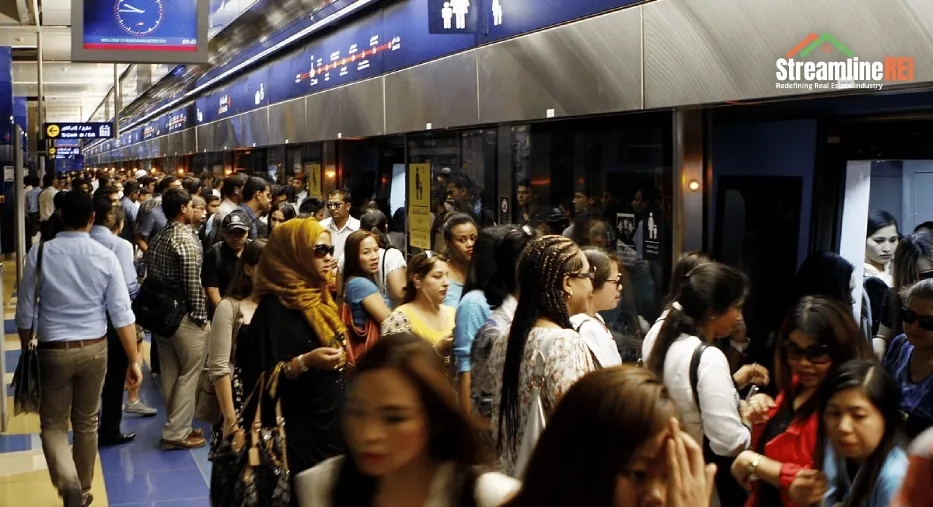
The Green Line is your pass to explore the real Dubai and areas that you can’t visit otherwise. The Green Line winds through thriving places, traditional markets, and places where local families come to shop, work, and just spend their quality time.
Your trip becomes a true cultural adventure if you follow the Green Line route. You’ll see shops selling traditional goods, children playing in the streets, and people stopping by cafes after a long day. You get a quick peek at the city’s identity with this journey, which resembles ancient customs.
The actual fare of the Dubai Green Line metro is calculated based on zones and the type of Nol card used.
| Zones Traveled | Red Ticket (Regular) | Silver Nol Card (pre-paid) | Gold Class (Red Ticket) | Gold Class (Pre-paid Gold Nol) |
| Under 1 Zone | AED 4.00 | AED 3.00 | AED 8.00 | AED 6.00 |
| 2 Adjacent Zones | AED 6.00 | AED 5.00 | AED 12.00 | AED 10.00 |
| More than 2 Zones | AED 8.50 | AED 7.50 | AED 17.00 | AED 15.00 |
Gold class provides access to a spacious and comfortable cabin. Children up to five years can travel for free.
The Green Line metro stations follow the same operating hours, with extended service on Fridays, and shorter hours on Sundays.
| Day | Operating Hours |
| Monday – Thursday | 5:00 AM – 12:00 AM (midnight) |
| Friday | 5:00 AM – 01:00 AM (next day) |
| Saturday | 5:00 AM – 12:00 AM (midnight) |
| Sunday | 8:00 AM – 12:00 AM (midnight) |
Avoid the traditional tour buses and expensive taxis if you plan to explore Dubai like a local. Get your Nol card and let the Green Line Metro stations serve as your own personal tour guide through the history, culture, and daily life of the city.
Green line runs from Etisalat to Creek, covering Deira, Bur Dubai, Al Karama, and 20 stations over 22.5 kms.
You can use a Nol card, available at all Green Line Metro stations and vending machines, for easy metro access.
Yes, Union and BurJuman stations connect the Green Line with the Red Line, allowing easy access to more parts of Dubai.
For shizzle! The Green Line takes you through less touristy areas of Dubai, including local markets and heritage sites. It’s also cost-effective and convenient for exploring local areas.
Yes, many stations are close to markets, food points, malls, and medical centers.



























© 2025 CrecenTech Systems. All Rights Reserved
.png)
.png)
.png)
.png)