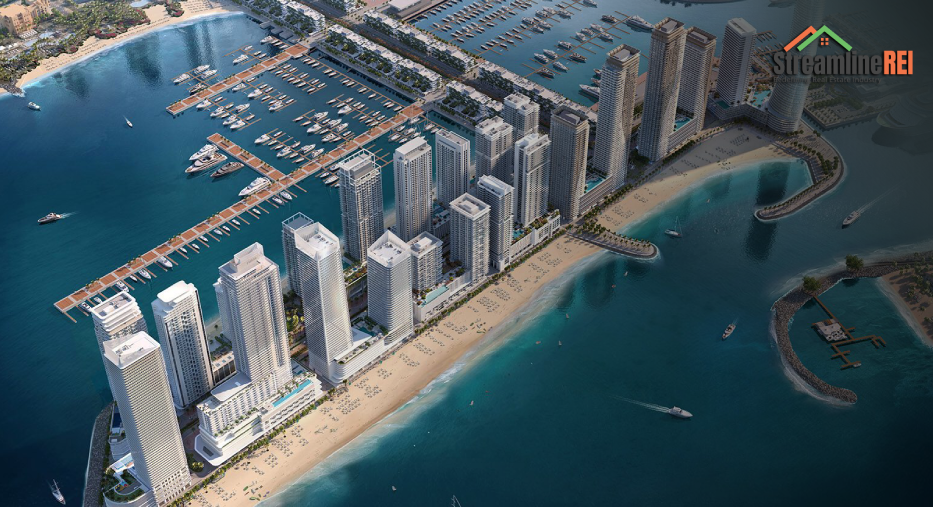
Dubai’s real estate market is booming, making it a great place for new entrepreneurs. This guide will walk you through the steps to launch your business, from making a plan to getting licenses and marketing your services.
Table of Contents
Steps and Requirements
First, create a business plan outlining your goals, target customers, and budget. Choose between a mainland or free zone setup, with the mainland often preferred for real estate. You’ll need a trade license from the Department of Economic Development (DED) and a real estate brokerage license from the Dubai Land Department (DLD). All agents must complete RERA training and pass an exam. Set up a physical office, market online and through networking, and manage finances carefully.
Costs and Market Trends
Costs can start at AED 21,000–27,000, including licenses and office setup, but may vary. In 2025, expect 5–8% annual price growth and 7% rental yields, driven by foreign investment and economic growth.
Real Estate Business in Dubai
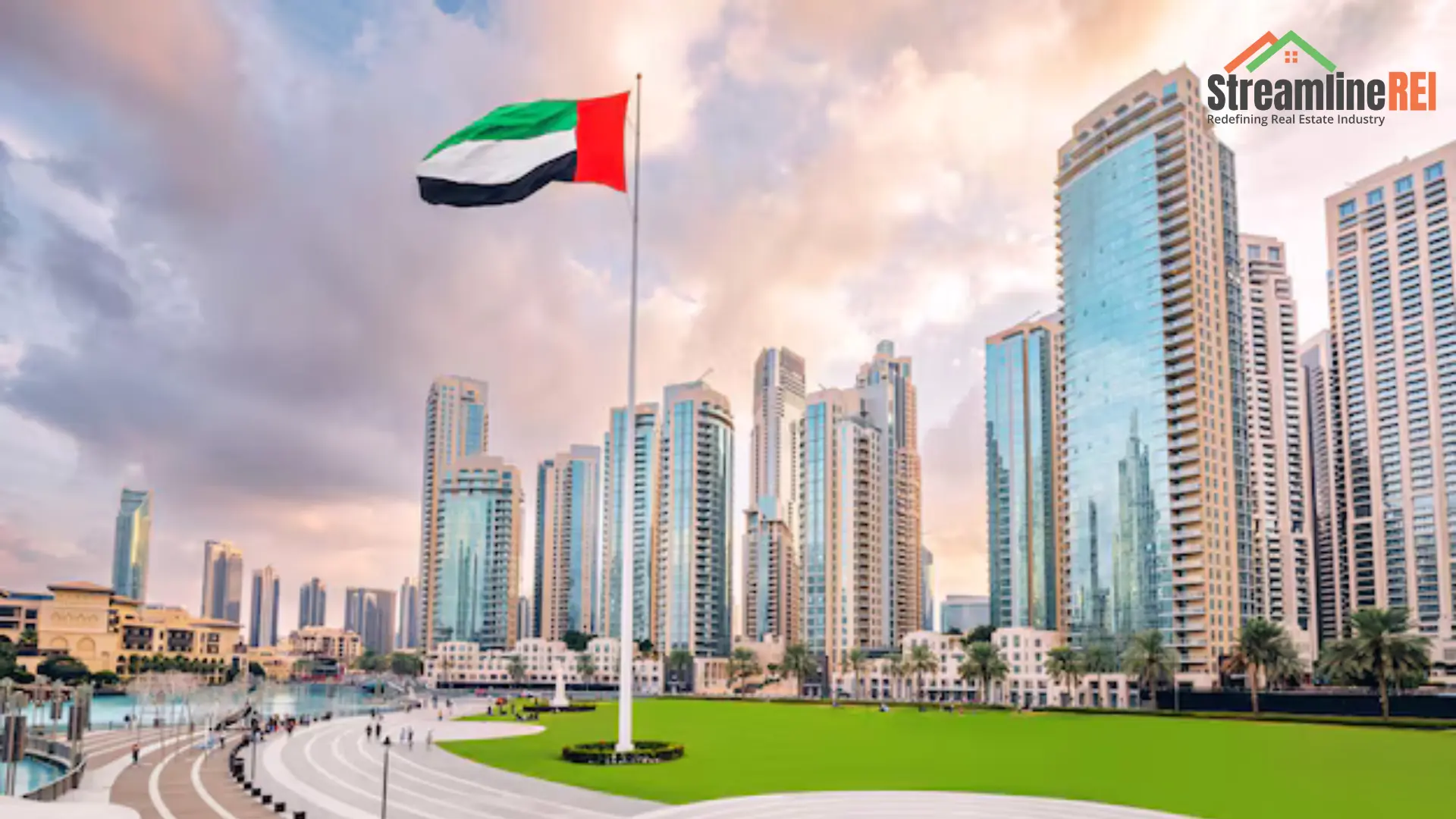
Dubai’s real estate market is renowned for its rapid growth and global appeal, making it an attractive destination for entrepreneurs looking to start a real estate business.
Dubai’s Real Estate Market
Dubai is famous for its fast-growing real estate sector, attracting investors and entrepreneurs with its strategic location, world-class infrastructure, and business-friendly environment. In 2025, the market is expected to see annual price growth of 5–8% and average rental yields of 7%, according to DAMAC Properties. This growth is driven by foreign investment, tourism, and government initiatives like the Golden Visa program.

Why Start a Real Estate Business in Dubai?
Before diving into the process, consider why Dubai is ideal for real estate entrepreneurship. The city offers:
A growing market with increasing property transactions, reaching AED 761 billion in 2024, a 36% increase from the previous year, as per Emaar Properties.
Tax benefits, with no property transaction taxes, enhancing profitability.
A global hub status attracts expatriates and international investors, boosting demand.
Government support through efficient e-government services simplifies business setup, as noted in Company Setup.
Step 1: Developing a Business Plan
A solid business plan is the foundation of success. It should include:
Business Objectives: Decide if you’ll focus on residential, commercial, or both and whether you’ll offer brokerage, management, or development services.
Target Market: Identify your ideal clients, such as local residents, expatriates, or investors. For example, Dubai Marina is popular among expatriates for its waterfront lifestyle.
Marketing Strategy: Plan how to attract clients, such as through social media, content marketing, or networking events. SEO optimization with keywords like “start real estate business Dubai” can boost visibility.
Financial Projections: Estimate startup costs (e.g., office rent, licenses) and revenue from commissions. Research suggests initial costs start at AED 21,000–27,000, varying by scale, as per Property Finder.
Operational Structure: Decide on roles, such as agents, administrative staff, and managers, to organize your team effectively.
Market research is crucial; analyze competitors to find your unique selling point, such as specialized knowledge or exceptional service.
Step 2: Choosing the Right Business Structure
You must choose between a mainland or free zone company:
Mainland Company: Allows operations across the UAE, often requiring a local sponsor (51% ownership), though recent changes permit 100% foreign ownership in certain sectors, as per Shuraa. Ideal for direct client dealings.
Free Zone Company: Offers 100% ownership, tax exemptions, and simplified setup but may limit operations to the free zone or international clients. Popular free zones include the Dubai International Financial Centre (DIFC) for real estate.
For real estate, a mainland company is often preferred for flexibility. Register your business name with the Department of Economic Development (DED) and obtain initial approval.
Step 3: Legal Requirements and Licensing
To operate legally, obtain these licenses:
Trade License: From DED, authorizing business activities, costing around AED 25,000 for services, as per MBG Corp.
Real Estate Brokerage License: From Dubai Land Department (DLD), mandatory for transactions, with initial costs ranging from AED 10,000–15,000, as per Bizdaddy.
RERA Certification: All agents must complete the “Certified Training for Real Estate Brokers” course at Dubai Real Estate Institute (DREI), costing about AED 3,000, and pass the RERA exam, as per Finanshels.
Steps include:
Choose and register a business name with DED.
Get initial approval and submit a business plan.
Complete RERA training and pass the exam.
Apply for the brokerage license with DLD, providing documents like passport copies, visa, and a good conduct certificate from Dubai Police.
Obtain the trade license from DED.
Ensure compliance to avoid penalties and consult experts for the latest regulations.
Step 4: Setting Up Your Office
A physical office is required for registration. Choose a location:
Near key real estate areas like Downtown Dubai or Business Bay for visibility.
With easy access for clients, including parking and public transport.
Sufficient space for your team, registered with Ejari, Dubai’s rental system, as per Company Setup.
Consider a tech-enabled office with high-speed internet, property management software, and video conferencing tools to enhance operations.
Step 5: Marketing Your Real Estate Business
Effective marketing is crucial in a competitive market. Strategies include:
Online Presence: Build a professional website optimized for SEO, using keywords like “how to start real estate in Dubai.” Maintain active social media profiles.
Content Marketing: Publish blog posts on market trends, property listings, or investment tips to engage clients.
Networking: Attend industry events, join real estate associations, and build partnerships with developers.
Advertising: Use Google Ads, social media ads, and real estate portals to reach a wider audience.
Client Referrals: Encourage referrals by offering incentives or providing excellent service.
When managing your finances, it’s crucial to have reliable partners. StreamlineREI offers comprehensive services to help you with real estate investments in Dubai.
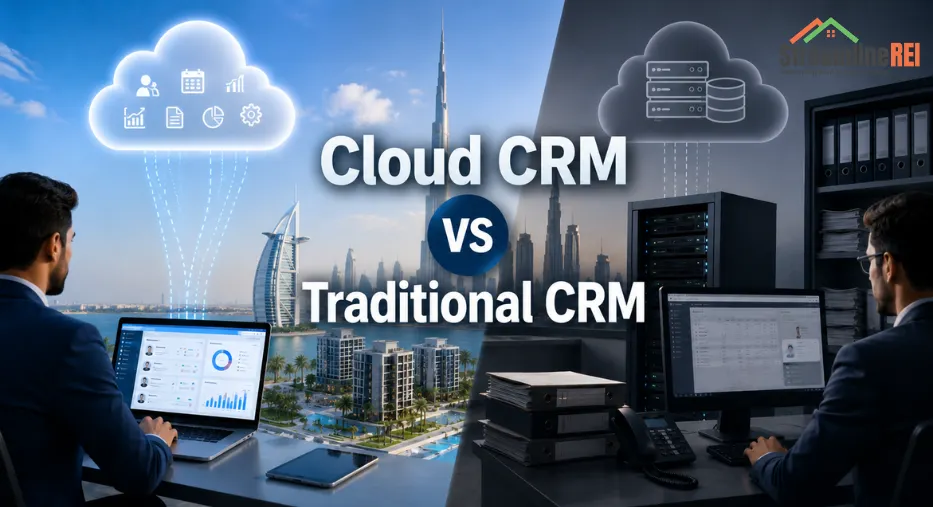
Using technology, like virtual tours and CRM software, can enhance marketing efforts and client engagement.
Step 6: Hiring and Training Agents
As your business grows, hire agents with:
Strong communication and sales skills, preferably with real estate experience.
Knowledge of Dubai’s market, such as popular areas like Dubai Marina.
RERA certification or willingness to obtain it through DREI training.
Provide ongoing training on market trends, legal updates, and customer service to maintain high standards.
Step 7: Understanding the Market and Competition
Stay informed about market dynamics:
Conduct research on property prices, supply, and demand. In 2025, expect 41,000 new units, an 80% rise from 2024, as per The Luxury Playbook.
Analyze competitors to identify gaps, such as underserved niches or better service offerings.
Develop a unique selling proposition, like specializing in affordable housing or luxury properties.
This understanding helps you adapt strategies and capitalize on opportunities.
Step 8: Financial Planning and Budgeting
Manage finances to ensure sustainability:
Startup Costs: Include office setup (e.g., rent, furniture), licensing fees (AED 21,000–27,000), and initial marketing.
Operational Expenses: Cover salaries, utilities, and software subscriptions.
Revenue Projections: Estimate income from commissions (2–5% per transaction, as per Finanshels) and rental management fees.
Cash Flow: Ensure funds for slow periods, possibly consulting an accountant for tax compliance.
Proper budgeting prevents financial strain and supports growth.
Inspiring Success Stories
Learn from successful businesses:
Emaar Properties: Founded in 1997, developed Burj Khalifa and The Dubai Mall, showcasing innovation, as per Prasfaa.
Danube Group: It started in 1993 as a single store and is now a top 5 developer, emphasizing quality, as per Key One Realty Group.
These stories highlight the potential for success with vision and dedication.
Current Trends in Dubai’s Real Estate Market
Stay ahead with trends:
Sustainable Development: Eco-friendly buildings are increasingly popular, aligning with global standards.
Smart Homes: Properties with smart technology, like automated lighting, attract tech-savvy buyers.
Affordable Housing: Growing demand for budget-friendly options alongside luxury properties.
Off-Plan Properties: Buying before construction offers better prices and payment plans, driving 60% of sales, as per DAMAC Properties.
Popular Areas for Real Estate Investment
Focus on hotspots:
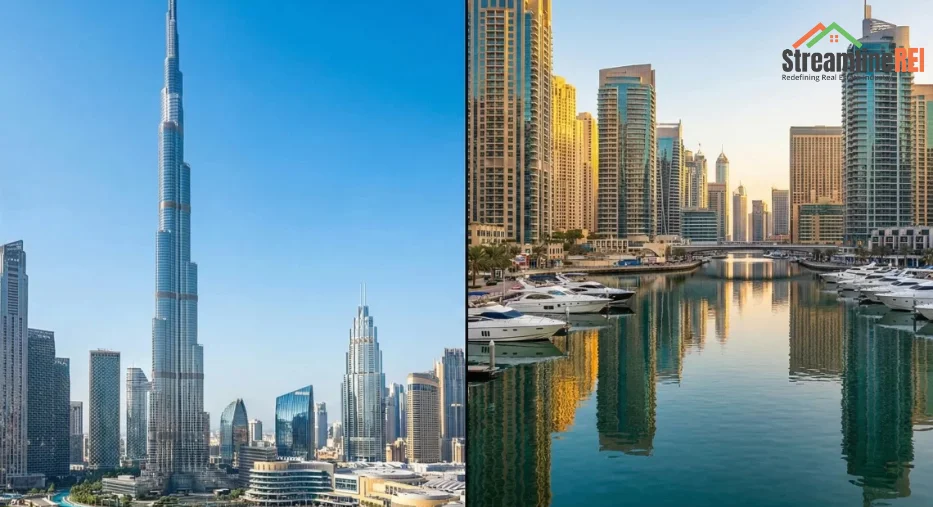
Downtown Dubai: Home to Burj Khalifa, ideal for luxury investments.
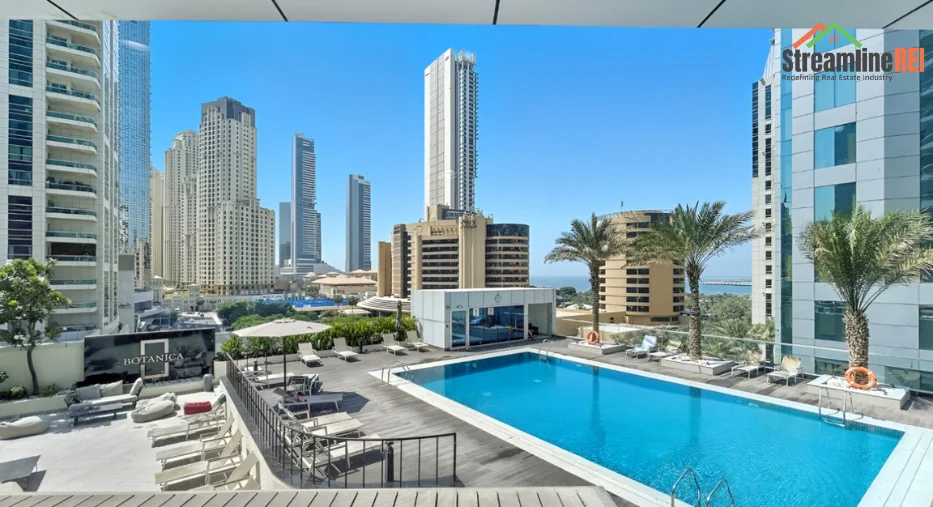
Dubai Marina: Waterfront living, popular among expatriates for its vibrant lifestyle.
Business Bay: Central for commercial and residential properties, attracting business investors.
Challenges and Solutions
Address common challenges:
Competition: Focus on a niche, like affordable housing, to stand out.
Regulatory Compliance: Stay updated via industry newsletters or associations.
Cultural Differences: Learn about Dubai’s diverse population to improve client relations.
Market Fluctuations: Diversify services, such as focusing on rentals, for stability.
Final Words
Launching a real estate business in Dubai requires careful planning, legal compliance, and effective marketing. By following these steps—developing a plan, choosing a structure, obtaining licenses, setting up an office, marketing, hiring agents, understanding the market, and managing finances, you can build a thriving enterprise. Success takes time, but with persistence, you can achieve your goals.
For expert assistance in real estate investments, consider StreamlineREI.
FAQs
What are the first steps to start a real estate business in Dubai?
Make a business plan, choose a structure, register your name, and get DED approval.
What licenses do I need?
A trade license from DED and a brokerage license from DLD.
Is RERA certification necessary?
Yes, all agents must have RERA certification.
Can foreigners own a real estate business in Dubai?
Yes, especially in free zones and in some cases on the mainland with recent changes
How much does it cost to start?
Initial costs can be AED 21,000–27,000, plus other expenses like office rent.
How do I market my business?
Use online marketing, content, networking, ads, and referrals.
What are the current market trends?
Growing prices and rental yields, and focus on sustainable, smart homes
Do I need an office?
Yes, a physical office is required for registration.
How do I hire agents?
Look for skilled candidates and ensure RERA certification.

I'm Zoey Wilson. I am a professional content writer with 5+ years of
experience creating research-based, informative, and explicit content
to help readers understand the topic, form opinions, and implement
processes. My content work combines deep market knowledge and a
practical approach, giving you a real picture of today's industry
landscape with reliable insights.